

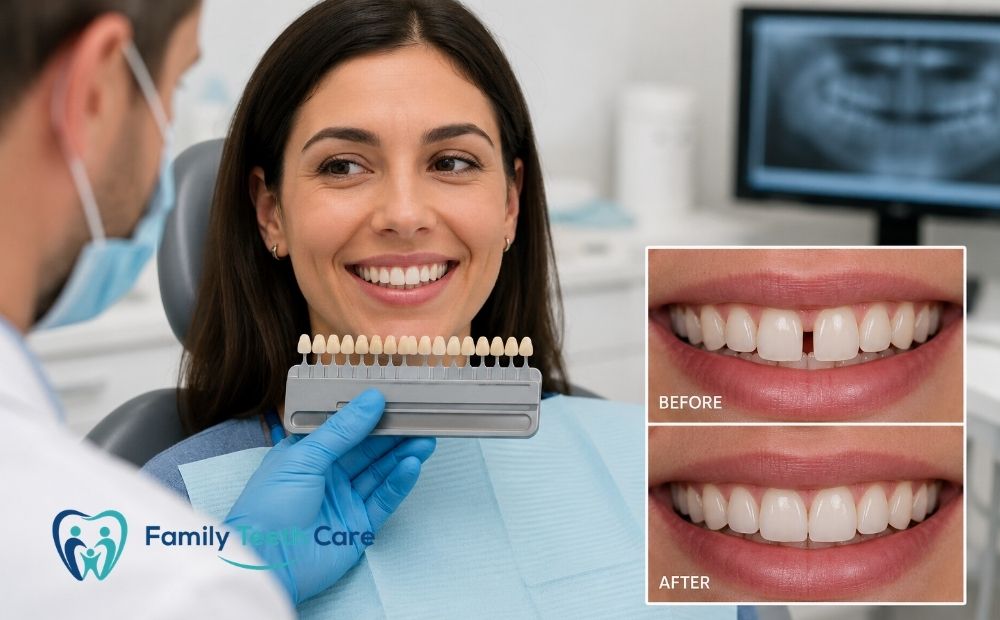
A gap between teeth can make some people feel self-conscious about their smile. While some individuals embrace tooth gaps as part of their natural appearance, others prefer to close them for cosmetic or functional reasons. Modern dentistry now offers several safe and effective permanent teeth gap filling treatments that can improve both confidence and oral health.
According to Wikipedia’s article on diastema, a tooth gap is medically known as a diastema and commonly appears between the upper front teeth. However, gaps can occur anywhere in the mouth depending on genetics, jaw size, missing teeth, or gum health.
Permanent teeth gap filling has become one of the most requested cosmetic dental procedures in recent years because patients want long-lasting solutions that look natural and require minimal maintenance.
What Is Permanent Teeth Gap Filling?
Permanent teeth gap filling refers to dental procedures designed to close spaces between teeth using long-lasting cosmetic or orthodontic methods. The goal is to improve smile appearance, chewing function, speech clarity, and sometimes overall dental health.
Unlike temporary cosmetic fixes, permanent treatments are designed to provide stable results for many years. Some procedures reshape the teeth, while others physically move the teeth into proper alignment.
Dentists usually recommend treatment based on:
- The size of the gap
- Overall oral health
- Gum condition
- Tooth alignment
- Budget
- Desired cosmetic results
Why Do Teeth Gaps Develop?
Tooth gaps can appear naturally or develop over time. Some people are born with spacing between their teeth, while others notice gaps later because of dental changes.
Genetics
Genetics is one of the most common reasons for tooth gaps. If a person has a larger jaw and relatively small teeth, spaces may naturally appear between the teeth.
Missing Teeth
When a tooth is lost because of injury or decay, nearby teeth may shift into the empty area. This movement often creates visible gaps.
Gum Disease
Advanced gum disease weakens the bone and tissues supporting the teeth. As the teeth lose support, they may begin to separate.
Thumb Sucking During Childhood
Long-term thumb sucking can push the front teeth forward and create gaps.
Tongue Thrusting
Some people press their tongue against their teeth while swallowing. Over time, this repeated pressure can slowly move teeth apart.
Is Permanent Teeth Gap Filling Safe?
Yes, permanent teeth gap filling procedures are generally considered very safe when performed by qualified dental professionals. Modern dental technology allows dentists to create highly natural-looking results with minimal discomfort.
However, the safest treatment depends on the patient’s specific dental condition. A dentist will usually examine the teeth, gums, and bite before recommending a procedure.
Best Permanent Teeth Gap Filling Treatments
There are several highly effective treatments available today. Each option works differently depending on the size and cause of the gap.
Dental Bonding
Dental bonding is one of the fastest and most affordable methods for closing small gaps.
In this procedure, the dentist applies a tooth-colored composite resin to the teeth. The material is shaped carefully to fill the space and then hardened using a special light.
Advantages of Dental Bonding
- Quick treatment
- Usually completed in one visit
- Affordable compared to veneers
- Natural appearance
- Painless in most cases
Disadvantages
- Less durable than veneers
- Can stain over time
- May chip if not cared for properly
Bonding works best for small cosmetic gaps where major tooth movement is not needed.
Porcelain Veneers
Porcelain veneers are thin custom-made shells attached to the front surface of the teeth.
Veneers can completely transform a smile by improving tooth shape, color, and spacing at the same time.
Benefits of Veneers
- Long-lasting results
- Highly natural appearance
- Resistant to staining
- Immediate smile transformation
Downsides
- More expensive
- Requires slight enamel removal
- Irreversible treatment
Many celebrities and public figures choose veneers because they create a flawless smile appearance.
Braces for Gap Closing
Traditional braces remain one of the most effective long-term solutions for larger tooth gaps.
Braces use metal brackets and wires to gradually move teeth into proper alignment.
Why Braces Work Well
Braces address the root cause of spacing problems instead of simply covering the gap.
Benefits
- Excellent for large gaps
- Corrects bite problems
- Long-lasting results
- Improves overall alignment
Drawbacks
- Treatment takes longer
- Visible metal brackets
- Requires regular adjustments
Depending on the complexity of the case, braces may take several months or even years.
Clear Aligners
Clear aligners have become extremely popular among adults because they provide a more discreet alternative to braces.
These transparent trays gradually move teeth into better positions over time.
Advantages of Clear Aligners
- Nearly invisible
- Removable for eating
- Easier oral hygiene
- More comfortable than braces
Disadvantages
- Requires discipline to wear consistently
- Not ideal for every severe case
- Can be expensive
Clear aligners are commonly chosen by professionals who want a less noticeable treatment option.
Dental Implants
If the gap is caused by a missing tooth, dental implants are often considered the best permanent solution.
An implant replaces the missing tooth root with a titanium post placed into the jawbone. A crown is then attached on top.
Benefits of Dental Implants
- Extremely durable
- Looks and feels natural
- Prevents jawbone loss
- Long-term solution
Drawbacks
- More expensive
- Requires surgery
- Longer healing process
With proper care, dental implants can last for decades.
Dental Bridges
Dental bridges fill spaces caused by missing teeth using artificial teeth supported by neighboring teeth.
Bridges are often less expensive than implants and can restore both appearance and chewing function.
Pros of Dental Bridges
- Faster than implants
- Effective for missing teeth
- Improves smile appearance
Cons
- May affect nearby healthy teeth
- Not as long-lasting as implants
Which Treatment Is Best?
The best permanent teeth gap filling treatment depends on the patient’s individual situation.
Small Gaps
Small cosmetic gaps are usually treated with:
- Dental bonding
- Veneers
Large Gaps
Larger gaps often require:
- Braces
- Clear aligners
Missing Teeth
Gaps caused by missing teeth are commonly treated using:
- Dental implants
- Bridges
A dental consultation is the best way to determine the ideal treatment.
How Much Does Permanent Teeth Gap Filling Cost?
Treatment costs vary depending on the procedure, dentist experience, and country.
General Cost Comparison
| Treatment | Estimated Cost Range |
|---|---|
| Dental Bonding | Low to Moderate |
| Veneers | Moderate to High |
| Braces | Moderate to High |
| Clear Aligners | Moderate to High |
| Dental Implants | High |
| Bridges | Moderate |
Patients should remember that cheaper treatments may require more maintenance over time.
How Long Do Results Last?
Different treatments have different lifespans.
| Procedure | Average Lifespan |
| Dental Bonding | 5–10 Years |
| Veneers | 10–15 Years |
| Braces Results | Long-Term with Retainers |
| Dental Implants | 20+ Years |
| Bridges | 10–15 Years |
Maintaining good oral hygiene can significantly extend the lifespan of dental work.
Does Gap Filling Hurt?
Most modern dental procedures involve very little pain.
Bonding and Veneers
These treatments are usually painless and may not even require anesthesia.
Braces and Aligners
Patients may experience mild pressure or soreness as the teeth move.
Dental Implants
Implant surgery involves some recovery discomfort, but pain is typically manageable with medication.
Can Tooth Gaps Reappear?
Yes, gaps can sometimes reopen if teeth shift after treatment.
This is especially common after orthodontic procedures when patients do not wear retainers consistently.
Dentists usually provide retainers to maintain long-term alignment.
Benefits of Permanent Teeth Gap Filling
Many people choose treatment for cosmetic reasons, but there are also important functional benefits.
Improved Smile Appearance
Closing gaps often creates a more balanced and attractive smile.
Better Oral Function
Properly aligned teeth can improve chewing and speaking.
Increased Confidence
Many patients report feeling more confident in social and professional settings after treatment.
Easier Cleaning
Large gaps can trap food particles. Closing these spaces may improve oral hygiene.
Risks and Possible Side Effects
Although treatments are generally safe, some minor risks exist.
Possible Risks Include
- Tooth sensitivity
- Gum irritation
- Temporary discomfort
- Bonding discoloration
- Retainer dependence after braces
Choosing an experienced dentist greatly reduces the chances of complications.
How to Care for Teeth After Gap Filling
Proper aftercare helps maintain long-lasting results.
Recommended Habits
- Brush twice daily
- Floss regularly
- Visit the dentist routinely
- Avoid biting hard objects
- Wear retainers if prescribed
Foods to Limit
- Hard candies
- Ice
- Sticky foods
- Excessive coffee or smoking after bonding
Is Permanent Teeth Gap Filling Worth It?
For many people, the answer is yes.
Permanent teeth gap filling can dramatically improve appearance, confidence, and dental function. Modern treatments are more natural-looking and durable than ever before.
The best option depends on the patient’s goals, budget, and dental health.
Permanent Teeth Gap Filling for Adults
Adults increasingly choose cosmetic dental procedures to improve their smiles later in life.
Clear aligners and veneers are especially popular because they offer discreet and professional-looking results.
Many adults prefer treatments that do not interfere with their daily work or social life.
Permanent Teeth Gap Filling for Teenagers
Teenagers often receive orthodontic treatment because their teeth are easier to move during growth years.
Treating spacing issues early may help prevent more serious alignment problems later.
Parents should consult a dentist or orthodontist if gaps affect speech, confidence, or chewing.
Natural Remedies vs Professional Treatment
Some online sources claim that tooth gaps can be closed naturally at home.
However, most home methods are ineffective and may even damage teeth or gums.
Professional dental treatment remains the safest and most reliable option.
Frequently Asked Questions
What is the fastest way to close a tooth gap?
Dental bonding is usually the fastest solution because it can often be completed in a single dental visit.
Are veneers permanent?
Veneers are considered a long-lasting cosmetic treatment, although they may eventually need replacement.
Can braces permanently fix tooth gaps?
Yes, braces can permanently close gaps when retainers are used properly after treatment.
Is teeth gap filling painful?
Most procedures involve little to no pain, although mild discomfort is possible with orthodontic treatments.
What is the most natural-looking treatment?
Porcelain veneers and dental implants often provide the most natural appearance.
Can gaps return after treatment?
Yes, teeth can shift again if retainers are not worn consistently after orthodontic treatment.
Are clear aligners better than braces?
Both treatments are effective. Clear aligners are more discreet, while braces may work better for severe cases.
How long does bonding last?
Dental bonding typically lasts between five and ten years with proper care.
Which treatment is most expensive?
Dental implants are generally among the most expensive gap-filling treatments.
Is gap filling only cosmetic?
No. Some treatments also improve chewing, speech, and overall oral health.
Final Thoughts
Permanent teeth gap filling has become one of the most effective ways to improve both smile appearance and dental function. Whether someone chooses bonding, veneers, braces, aligners, or implants, modern dentistry offers solutions for nearly every type of gap.
The ideal treatment depends on the size of the space, oral health condition, and personal goals. Consulting a skilled dental professional is the best way to determine which option will provide safe, natural-looking, and long-lasting results.
People who invest in permanent teeth gap filling often experience a major boost in confidence and smile satisfaction. With proper care and regular dental visits, many treatments can last for years or even decades.
Realistic Landscape Image Prompt
“A realistic modern dental clinic interior with a smiling patient showing before-and-after permanent teeth gap filling results, professional dentist consultation, bright clean environment, natural lighting, detailed dental tools, realistic facial expressions, landscape orientation.”
For more info visit familyteethcare.com