

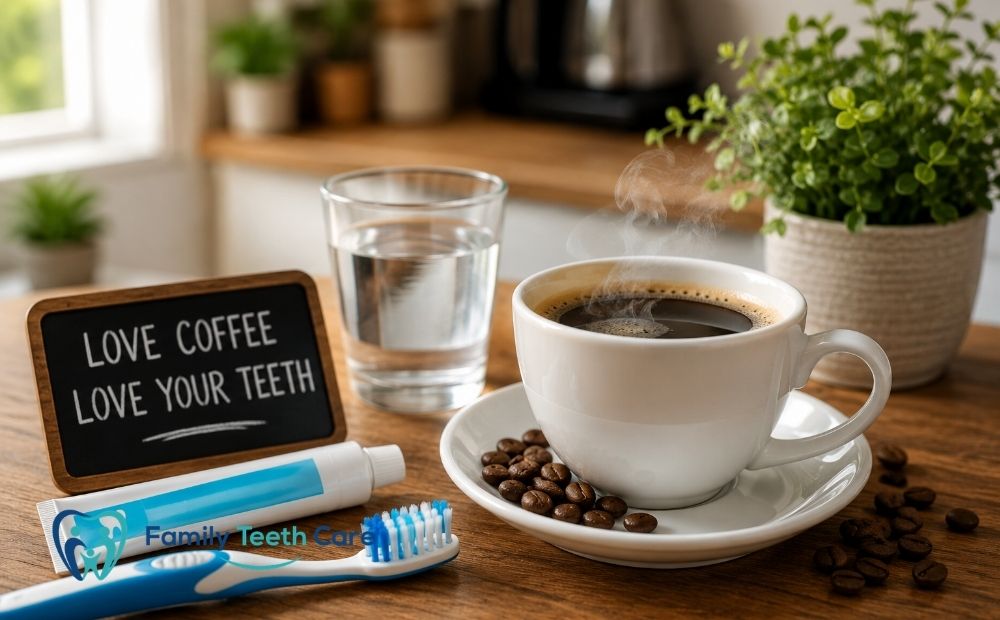
Is coffee bad for teeth is a common question for people who love their morning cup but worry about stains, sensitivity, or long-term enamel damage. Coffee is not automatically “bad” for everyone’s teeth, but it can affect your smile when you drink it often, sip it slowly, or add sugar and flavored syrups. Coffee contains dark pigments that can stain teeth, and it is also acidic, which may contribute to enamel wear over time. The American Dental Association notes that acidic drinks such as coffee can erode tooth enamel, which may lead to sensitivity, decay, and cavities.
| Quick Bio | Details |
|---|---|
| Main Topic | Is coffee bad for teeth |
| Main Concern | Staining, acidity, enamel wear, sensitivity |
| Biggest Risk | Frequent sipping and sugary coffee drinks |
| Common Visible Sign | Yellow or brown tooth stains |
| Best Protection | Water rinse, good brushing routine, dental cleaning |
| Dentist Advice | Do not brush immediately after acidic drinks |
Is Coffee Really Bad for Teeth?
Coffee is not the worst thing you can drink, but it can create dental problems when your teeth are exposed to it many times a day. A plain cup of coffee is different from a sugary caramel latte, but both can still leave color on the teeth. The main concerns are stains, acidity, dry mouth, and added sugar. If you drink coffee once a day and take care of your oral hygiene, the damage may be limited. However, if you drink several cups throughout the day, your teeth spend more time in contact with acid and dark pigments.
The biggest problem is not always the coffee itself. The way you drink it matters a lot. Sipping coffee for hours gives stains and acids more time to sit on your teeth. Adding sugar, creamers, syrups, or sweet toppings can increase the risk of plaque buildup and cavities. So, coffee can be part of your routine, but your habits decide how much it affects your smile.
Why Coffee Stains Teeth
Coffee stains teeth because it contains dark color compounds that can stick to the tooth surface. Cleveland Clinic lists coffee, tea, berries, red wine, and soy sauce as common causes of tooth discoloration over time. It also explains that stains cling more easily to dental plaque, so poor brushing and flossing can make discoloration worse.
Tooth enamel may look smooth, but it has tiny surface irregularities where pigments can collect. Over time, coffee can leave yellowish or brownish stains, especially near the gumline, between teeth, or around rough areas of enamel. These stains may not always mean your teeth are unhealthy, but they can make your smile look dull.
Does Coffee Damage Enamel?
Coffee is acidic, and frequent exposure to acidic drinks can affect enamel. Enamel is the hard outer layer that protects your teeth. Once enamel wears away, it does not grow back naturally. The ADA explains that dental erosion is the progressive loss of hard tooth tissue caused by acid, and the frequency and pattern of acidic food or drink consumption influence erosive tooth wear.
This does not mean one cup of coffee will ruin your enamel. The risk increases when you drink coffee many times a day, hold it in your mouth, or sip slowly for long periods. Weakened enamel can make teeth more sensitive and more likely to stain. Cleveland Clinic also notes that enamel loss can make teeth more vulnerable to cavities and sensitivity to heat, cold, and sweets.
Coffee and Tooth Sensitivity
If your teeth feel sensitive after drinking coffee, it may be because enamel has become thin or the gums have receded. Hot coffee can also trigger sensitivity in teeth that already have exposed dentin, tiny cracks, cavities, or worn enamel. Some people only feel a quick sharp pain, while others notice a lingering ache.
Coffee may not be the only cause of sensitivity, but it can reveal an existing dental issue. If hot drinks, cold drinks, or sweets cause pain, it is better to get a dental checkup instead of guessing. Sensitivity can come from enamel erosion, gum recession, tooth decay, grinding, or leaking fillings.
Is Black Coffee Better for Teeth Than Sweet Coffee?
Black coffee may stain teeth, but it does not feed cavity-causing bacteria the same way sugary coffee does. Sweet coffee drinks are usually more harmful because sugar helps bacteria produce acid. This acid can attack enamel and increase the risk of cavities.
Flavored lattes, iced coffees, bottled coffee drinks, and coffee with syrup can be especially risky if you sip them slowly. The longer sugar stays on your teeth, the more time bacteria have to create acids. If you love sweet coffee, it is better to drink it with a meal, finish it in one sitting, and rinse your mouth with water afterward.
Can Coffee Cause Cavities?
Coffee alone is not usually the main direct cause of cavities. Cavities mostly happen when bacteria in plaque use sugars and starches to produce acids that damage enamel. Plain coffee has very little sugar, so it is less cavity-promoting than sweetened coffee drinks.
However, coffee can still play a role. Its acidity may weaken enamel over time, and sugar or syrups added to coffee can increase decay risk. If you drink sweet coffee several times a day and do not clean your teeth properly, the cavity risk becomes much higher.
Coffee and Bad Breath
Coffee can contribute to bad breath because it has a strong smell and may reduce mouth freshness. It can also leave residue on the tongue and in the mouth. If you add milk, cream, or sugar, the odor can become worse when bacteria break down leftover particles.
Dry mouth can also make coffee breath stronger. Saliva helps wash away food particles, bacteria, and acids. When your mouth feels dry, odor-causing bacteria may build up more easily. Drinking water after coffee and cleaning your tongue can help reduce this problem.
Should You Brush Teeth After Coffee?
Many people think brushing right after coffee is the best way to prevent stains, but it may not be ideal. Since coffee is acidic, brushing immediately afterward may scrub softened enamel. Healthline also warns that brushing immediately after acidic foods or drinks can weaken enamel and worsen staining.
A safer habit is to rinse your mouth with water after coffee, then wait before brushing. Many dentists recommend brushing before coffee in the morning because it removes plaque before pigments can stick more easily. If you brush after coffee, waiting around 30 minutes is usually a better idea than brushing immediately.
How to Drink Coffee Without Ruining Your Teeth
You do not need to quit coffee completely to protect your smile. Small changes can make a big difference. Drink coffee in one sitting instead of sipping it all day. Rinse your mouth with plain water afterward. Avoid holding coffee in your mouth. Limit sugar and syrup. Keep a strong brushing and flossing routine.
A straw may also help reduce contact between iced coffee and front teeth, although it will not protect every part of your mouth. Professional dental cleanings are also important because some stains cannot be removed with normal brushing at home.
Does Milk Reduce Coffee Stains?
Adding milk may lighten the color of coffee, but it does not completely stop staining. Coffee still contains pigments that can attach to teeth. Milk may slightly reduce the staining effect for some people, but it should not be treated as full protection.
Also, flavored creamers and sweetened milk can add sugar. If your goal is healthier teeth, unsweetened milk is better than sugary creamers or syrups. The safest habit is still to drink water after coffee and maintain regular oral hygiene.
Is Iced Coffee Worse for Teeth?
Iced coffee is not always worse than hot coffee, but it can be riskier depending on how you drink it. Many people sip iced coffee slowly for a long time, which increases acid and pigment contact. Iced coffee drinks also often contain sugar, syrups, whipped cream, or sweet flavoring.
If you drink iced coffee with a straw and finish it within a reasonable time, it may be less staining for front teeth than sipping from a cup. But sugary iced coffee can still increase cavity risk, especially if consumed daily.
Coffee vs Tea: Which Is Worse for Teeth?
Both coffee and tea can stain teeth. Tea may stain strongly because it also contains tannins, while coffee has dark pigments and acidity. The difference depends on how often you drink them, how strong they are, and whether you add sugar.
Green tea may stain less than black tea or coffee, but it can still affect teeth with frequent use. The best approach is the same for both drinks: avoid constant sipping, rinse with water, reduce sugar, and keep up with dental cleanings.
Signs Coffee Is Affecting Your Teeth
Coffee may be affecting your teeth if you notice yellow or brown stains, rough plaque near the gumline, bad breath after drinking coffee, sensitivity to hot or cold drinks, or dull-looking enamel. You may also notice that your teeth look darker even after brushing.
Some staining is external and can be cleaned by a dentist. But sensitivity, pain, or visible enamel wear may need more attention. If you feel sharp pain when drinking coffee, do not ignore it. That may signal enamel erosion, gum recession, decay, or another dental issue.
Can Whitening Toothpaste Remove Coffee Stains?
Whitening toothpaste may help reduce surface stains, but it will not change the natural color of deep tooth structure. Some whitening toothpastes are more abrasive than regular toothpaste, so overusing them may irritate teeth or worsen sensitivity.
For strong coffee stains, professional cleaning or dentist-supervised whitening may work better. A dentist can also check whether your discoloration is only from surface stains or from deeper enamel problems.
Best Dental Routine for Coffee Drinkers
Coffee drinkers should brush twice daily with fluoride toothpaste, floss once daily, clean the tongue, and visit the dentist regularly. Rinsing with water after coffee is one of the easiest habits to start. Sugar-free gum may also help stimulate saliva after drinking coffee.
Try to avoid drinking coffee right after brushing if your toothpaste taste bothers you, but brushing before breakfast and coffee can reduce plaque. When less plaque is present, coffee pigments have fewer places to stick.
When Should You See a Dentist?
See a dentist if coffee causes tooth pain, sensitivity, visible enamel wear, dark stains that do not improve, gum recession, or bad breath that does not go away. You should also visit a dentist if you drink coffee daily and have not had a cleaning in a long time.
A dentist can remove plaque and tartar, polish external stains, check enamel health, and recommend safe whitening options. If there is decay or gum disease, early treatment is much easier than waiting until pain becomes severe.
Final Thoughts
So, is coffee bad for teeth? Coffee can be bad for teeth when it is consumed too often, sipped slowly, or mixed with lots of sugar. It can stain enamel, contribute to acidity, worsen sensitivity, and make bad breath more noticeable. Still, coffee does not have to destroy your smile if you drink it wisely.
The best solution is balance. Enjoy coffee in moderation, rinse with water afterward, avoid brushing immediately after drinking it, reduce sugar, and keep regular dental appointments. With the right habits, you can enjoy your coffee and still protect your teeth.
Realistic Landscape Image Prompt
Create a realistic landscape-style dental health image showing a bright modern kitchen table with a cup of black coffee, a toothbrush, toothpaste, a glass of water, and a clean smiling person in the softly blurred background. Use natural morning light, professional health-blog photography style, 16:9 wide composition, clean and fresh colors, realistic details, no text on image.
FAQs About Is Coffee Bad for Teeth
Is coffee bad for teeth every day?
Coffee every day is not automatically harmful, but daily coffee can stain teeth and expose enamel to acid. The risk becomes higher if you sip coffee all day or add sugar and syrups.
Does coffee permanently stain teeth?
Coffee can cause stubborn surface stains, but many stains can be reduced with professional dental cleaning or whitening. Deep discoloration may need dentist-guided treatment.
Should I brush my teeth before or after coffee?
Brushing before coffee is often better because it removes plaque before stains stick. If you brush after coffee, wait around 30 minutes instead of brushing immediately.
Does drinking water after coffee help teeth?
Yes, drinking or rinsing with water after coffee helps wash away acids and pigments. It is one of the easiest ways to reduce staining and protect enamel.
Is black coffee better for teeth?
Black coffee is usually better than sugary coffee because it does not add sugar that feeds cavity-causing bacteria. However, it can still stain teeth and expose enamel to acid.
Can coffee cause yellow teeth?
Yes, coffee can make teeth look yellow or brown over time. Stains are more likely when plaque is present or when coffee is consumed frequently.
Is iced coffee bad for teeth?
Iced coffee can affect teeth, especially if it contains sugar or is sipped for a long time. Using a straw and drinking water afterward may help reduce contact with teeth.
Can coffee cause tooth sensitivity?
Coffee may trigger sensitivity if enamel is worn, gums are receding, or cavities are present. If sensitivity continues, a dental checkup is recommended.
Does milk in coffee stop stains?
Milk may slightly reduce the dark color of coffee, but it does not fully prevent stains. Coffee pigments can still stick to teeth.
How can I protect my teeth if I drink coffee?
Drink coffee in one sitting, rinse with water afterward, avoid too much sugar, brush twice daily, floss daily, and visit your dentist for regular cleanings.